¿QUÉ ESTÁS BUSCANDO?
Dado que las salas blancas se diseñan con diferentes niveles de exigencia según su uso, y algunos entornos de trabajo exigen estándares de limpieza aún más elevados, se han introducido las unidades de filtro con ventilador (FFU). La aparición de las FFUUnidades de filtro de ventilador) ha abordado este problema de manera efectiva.El uso de unidades de filtro con ventilador (FFU) puede solucionar eficazmente los problemas presentes en los proyectos de salas blancas. Los puntos principales son los siguientes:
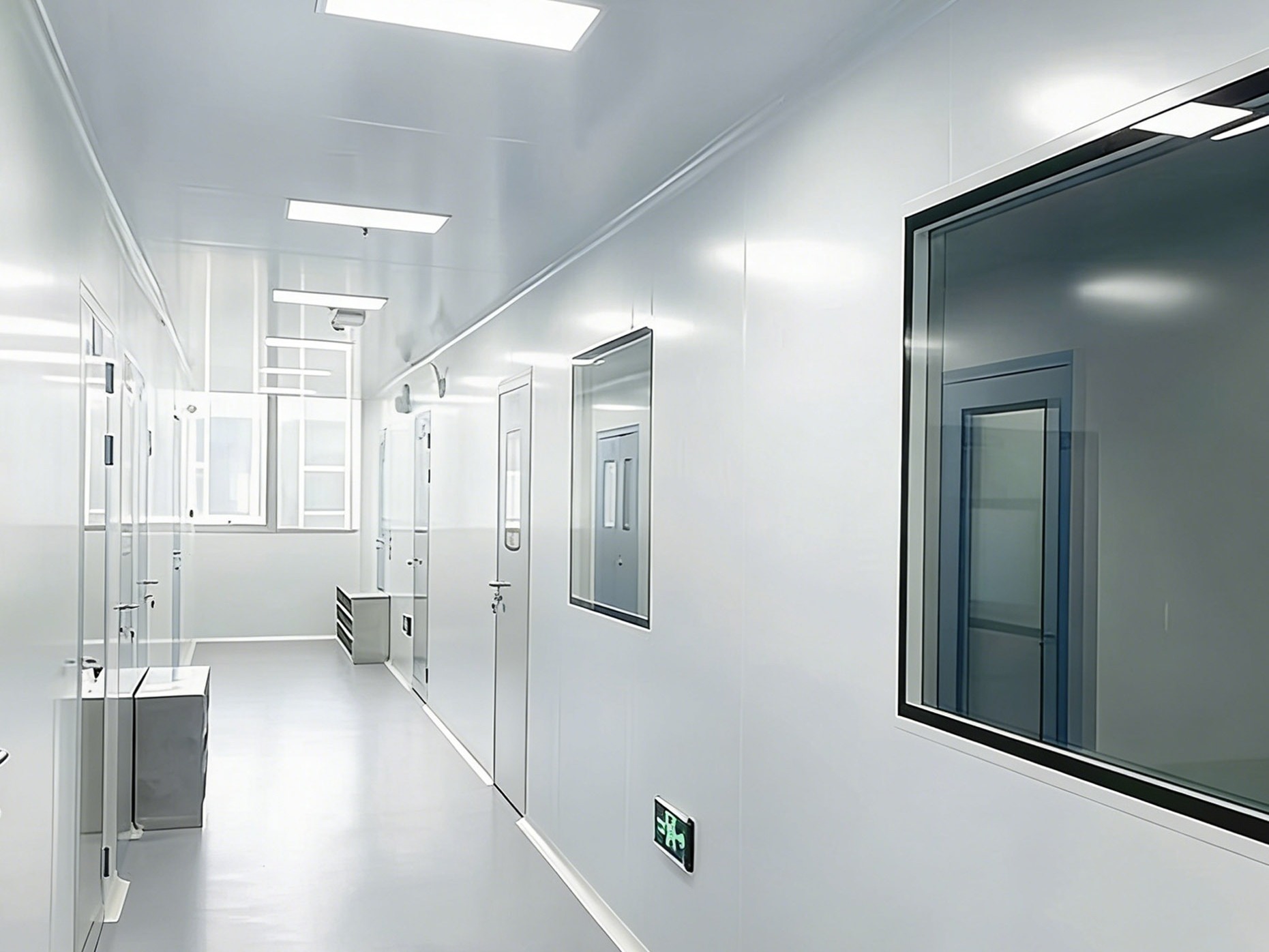
1. Ahorro de espacio: uso Unidades de filtro de ventilador (FFU)Permite ahorrar espacio y solucionar el problema del espacio limitado para el mantenimiento por encima del techo de la sala limpia.
Las salas blancas de alta calidad suelen requerir campanas laminares de clase 100 o incluso de clase 10 para cumplir con los requisitos del proceso. En estos casos, se instalan grandes plenums de suministro de aire sobre el techo de la sala blanca, con ventiladores en su interior. Estos plenums, junto con los conductos de suministro y retorno de aire, ocupan un espacio considerable, lo que reduce el acceso para mantenimiento y, en ocasiones, incluso afecta el uso de las vías de escape en caso de incendio.
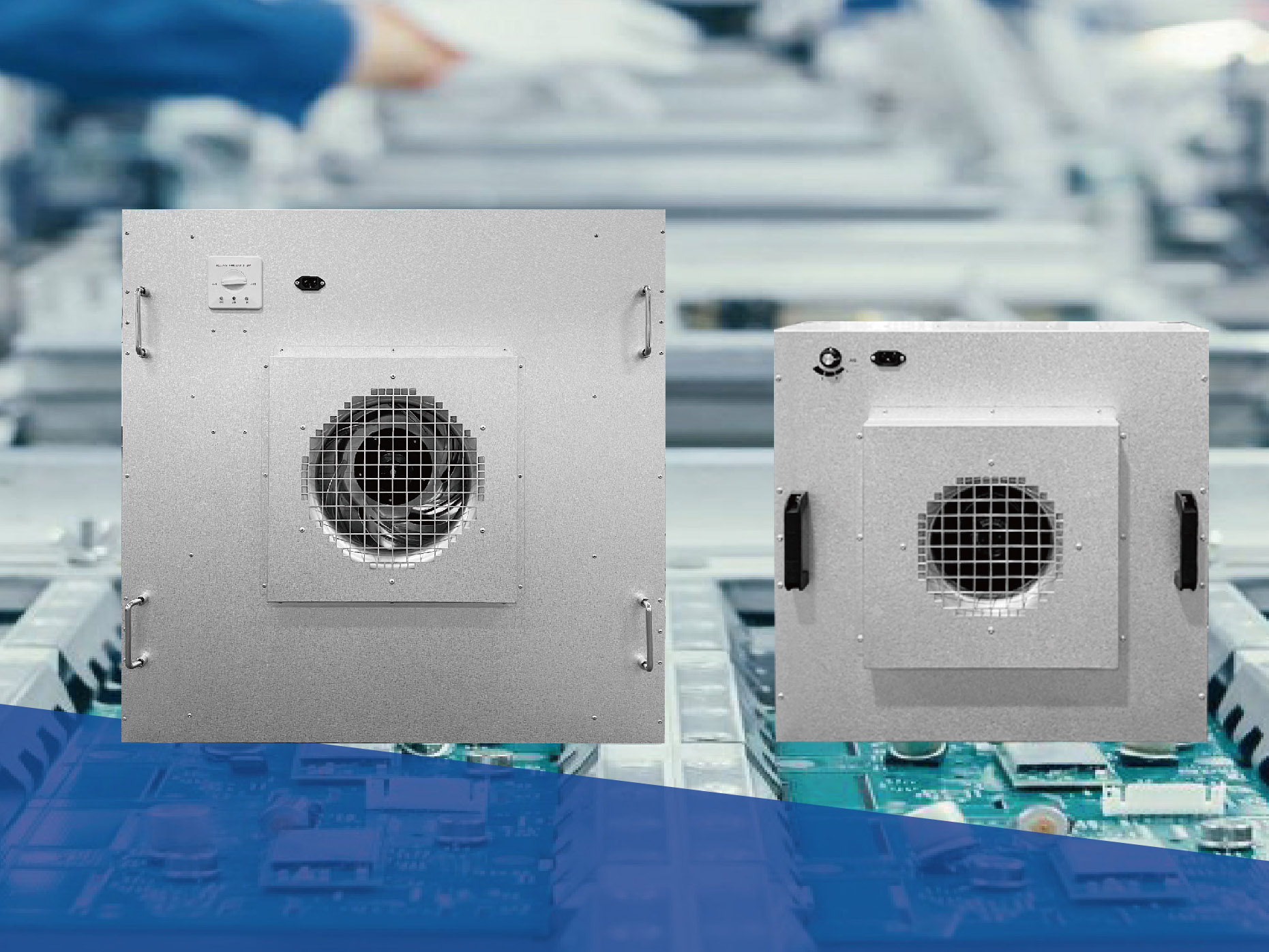
Al utilizar unidades de ventilación forzada (FFU), el techo de la sala limpia se puede dividir en varios módulos, cada uno de los cuales funciona como una FFU. Ajustando cada módulo, se pueden satisfacer los requisitos de equilibrio de presión de la cámara de aire de suministro sobre el techo, lo que reduce significativamente los requisitos de altura de la cámara. Además, se elimina la necesidad de grandes conductos de suministro y retorno, ahorrando así espacio de instalación. Las FFU son especialmente eficaces en proyectos de renovación con techos de altura limitada. Además, las FFU están disponibles en varios tamaños y se pueden personalizar según las dimensiones reales de la sala limpia. Por ello, ocupan menos espacio vertical dentro de la cámara de aire de suministro y prácticamente no ocupan espacio dentro de la sala limpia, maximizando así el ahorro de espacio.
2. Flexibilidad de la FFU: Al aprovechar las características estructurales de la independencia de la FFU, se pueden realizar ajustes en cualquier momento, compensando la limitada maniobrabilidad de la sala limpia y solucionando así la desventaja de los procesos de producción que no son fácilmente ajustables.
La estructura de mantenimiento de las salas blancas generalmente está formada por paneles metálicos y, una vez construida, su distribución no puede modificarse libremente. Sin embargo, debido a las continuas actualizaciones de los procesos de producción, es posible que la distribución original de la sala blanca ya no cumpla con los requisitos de los nuevos procesos, lo que obliga a realizar modificaciones frecuentes para actualizar los productos, lo que genera un importante desperdicio financiero y de materiales.
Ajustando el número de unidades de filtración de aire (FFU), la distribución de la sala limpia puede modificarse localmente para adaptarse a los cambios en el proceso. Además, las FFU incorporan alimentación eléctrica, salidas de aire e iluminación, lo que permite un ahorro considerable. Lograr el mismo efecto es prácticamente imposible con los sistemas convencionales integrados de purificación de aire.
Dado que las unidades de flujo continuo (FFU) son autoalimentadas, no están limitadas a áreas específicas. En una sala limpia de gran tamaño, se puede implementar el control de zonas según sea necesario. Además, a medida que evolucionan los procesos de producción de semiconductores, la distribución de las instalaciones requiere inevitablemente ajustes. La flexibilidad de las FFU facilita dichos ajustes sin necesidad de inversiones adicionales.
3. Reducción de la carga operativa — El Sistema FFU Es un sistema que ahorra energía, solucionando así los inconvenientes del suministro centralizado de aire, como las grandes salas de aire acondicionado y el aumento de los costes operativos de las unidades de tratamiento de aire.
Si las salas blancas individuales dentro de una instalación de salas blancas de gran superficie requieren un mayor nivel de limpieza, el volumen de aire de una unidad de aire acondicionado de suministro central debe ser grande y la presión del ventilador alta para superar la resistencia de los conductos, así como la de los filtros primarios, de media y alta eficiencia, a fin de cumplir con los requisitos. Además, en un sistema de suministro de aire central, cualquier fallo en una unidad de aire acondicionado provocará el cese de operaciones de todas las salas blancas asociadas a dicha unidad.
Si bien la inversión inicial para utilizar unidades de filtro de humos (FFU) es mayor que la de la ventilación por conductos, el sistema demuestra características excepcionales de ahorro de energía y ausencia de mantenimiento durante su funcionamiento posterior, lo que hace que las FFU sean más populares.



 Soporta red IPv6