¿QUÉ ESTÁS BUSCANDO?
Al seleccionar una cabina de flujo limpio o una campana de flujo laminar, una de las decisiones más importantes es elegir entre vertical y horizontal Configuraciones de flujo de aire. Ambas proporcionan entornos ISO Clase 5 (Clase 100), pero se adaptan a diferentes aplicaciones, requisitos de seguridad y necesidades ergonómicas. Comprender sus diferencias garantiza un rendimiento óptimo, la protección del usuario y la integridad del proceso.
Cómo funciona el flujo laminar
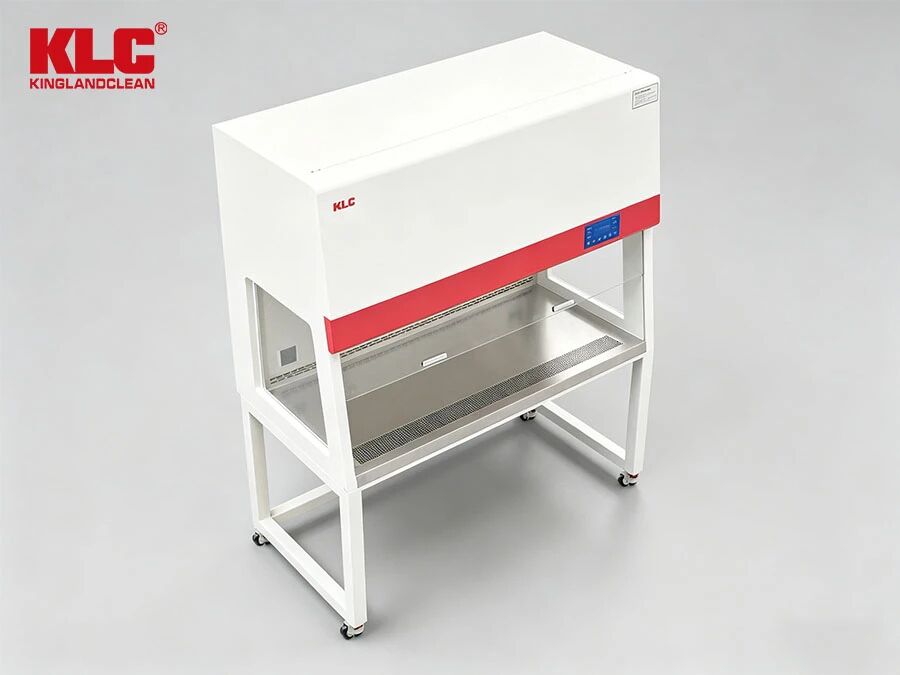
El flujo laminar se refiere al aire que se mueve en capas paralelas a velocidad uniforme, generalmente a través de un filtro HEPA o ULPA. Este flujo de aire unidireccional arrastra las partículas, manteniendo un espacio de trabajo estéril. La dirección de este flujo —vertical (de arriba hacia abajo) u horizontal (de atrás hacia adelante)— define el comportamiento y la idoneidad de la mesa de trabajo.
Bancos de flujo laminar vertical
Patrón de flujo de aire
El aire se aspira desde arriba, pasa a través de un filtro HEPA montado en el techo y fluye hacia abajo sobre la superficie de trabajo antes de salir por perforaciones en la base o en la rejilla frontal.
Ventajas clave
Aplicaciones comunes
Limitaciones
Bancos de flujo laminar horizontales
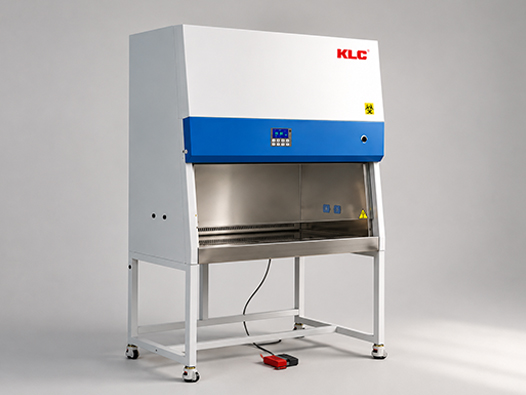
Patrón de flujo de aire
El aire entra por la parte trasera, pasa a través de un filtro HEPA montado en la parte posterior y fluye horizontalmente a través de la superficie de trabajo hacia el operador.
Ventajas clave
Aplicaciones comunes
Limitaciones
Tabla comparativa crítica
Característica | Flujo laminar vertical | Flujo laminar horizontal |
Dirección del flujo de aire | Arriba → Abajo | Atrás → Adelante |
Seguridad del usuario | Moderado (cortina de aire) | Ninguno (aire hacia el usuario) |
Protección del producto | Bien | Excelente |
Requisitos de espacio | Compacto | Huella más profunda |
Riesgo de contaminación cruzada | Más bajo | Mayor (arrastre aguas abajo) |
Acceso ergonómico | Frente despejado | Puede requerir introducir la mano en la corriente de aire. |
Lo mejor para | Trabajo general de laboratorio, cultivo celular | Manipulación de productos de alta pureza |
⚠️ Nota de seguridad: Ni las cabinas de flujo laminar verticales ni las horizontales están diseñadas para agentes biológicos peligrosos, materiales radiactivos o productos químicos tóxicos. Para estas aplicaciones, utilice cabinas de bioseguridad certificadas o campanas de extracción de humos.
Pautas de selección
Elija Flujo Laminar Vertical si:
Elija Flujo Laminar Horizontal si:
Cumplimiento y Normas
Ambas configuraciones deben cumplir con las normas pertinentes:
Durante la instalación y anualmente a partir de entonces, compruebe siempre la velocidad del flujo de aire, la integridad del filtro y el recuento de partículas.
Reflexiones finales
La elección entre flujo laminar vertical y horizontal no se trata de cuál es “mejor”, sino de apto para su propósitoEl uso indebido conlleva riesgos de contaminación, datos comprometidos o incidentes de seguridad. Antes de invertir, realice una evaluación exhaustiva de riesgos considerando sus materiales, procesos, marco regulatorio y flujo de trabajo del operador. Ante cualquier duda, consulte con un ingeniero de salas blancas o un higienista industrial certificado para garantizar el cumplimiento de los requisitos científicos y de seguridad.



 Soporta red IPv6