¿QUÉ ESTÁS BUSCANDO?
Gancho: Si su anual filtro HEPA Si el presupuesto de reemplazo alcanza las seis cifras, es posible que esté utilizando medios desechables de alta eficiencia en un entorno donde se requiere un medio lavable. Precipitador electrostático (ESP) podría ofrecer un retorno de la inversión en 3 años y un 90% menos de residuos en vertederos.
Problema industrial: En aplicaciones industriales pesadas, como el mecanizado CNC, las cocinas comerciales o los talleres de soldadura, el aire está cargado de neblina de aceite, grasa y humo. Utilizar filtros HEPA como método de filtración principal en estos entornos es una receta para la ruina financiera. Las partículas aceitosas saturan el medio de fibra de vidrio de un filtro HEPA en cuestión de semanas, lo que provoca caídas de presión repentinas y fuerza la sistema HVAC trabajar horas extras. Esto conlleva reemplazos frecuentes y costosos, además de un enorme impacto ambiental.
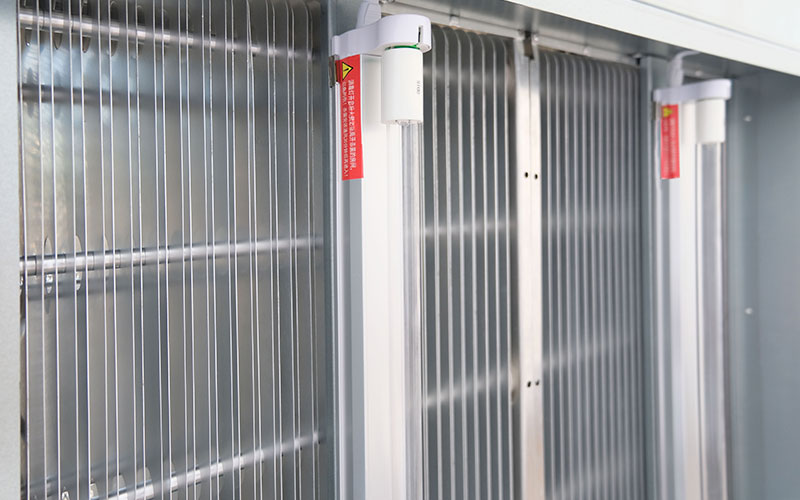
Información técnica: El principio ESP A diferencia de los filtros HEPA, que atrapan partículas en una malla densa (filtración mecánica), un ESP utiliza el poder de la ionización y el magnetismo. 1. Ionización: El aire pasa a través de una descarga de corona de alto voltaje (ionizador) que otorga a las partículas una fuerte carga positiva. 2. Recolección: Estas partículas cargadas son atraídas a placas colectoras conectadas a tierra (la sección de "panal" o "placa"). 3. Limpieza: Dado que el "filtro" es simplemente una serie de placas metálicas, se puede lavar con agua y detergente y reutilizar indefinidamente.
La resistencia del aire (caída de presión) de un precipitador electrostático (ESP) se mantiene baja de forma constante, independientemente de la cantidad de aceite que haya capturado, lo que supone una enorme ventaja en términos de ahorro energético con respecto a los filtros mecánicos.
Comparación del costo total de propiedad (TCO) a 10 años
Factor de costo | Sistema HEPA desechable | Sistema ESP lavable KLC |
Compra inicial | Bajo a medio | De medio a alto |
Mantenimiento anual | Alto (Reemplazo frecuente de medios) | Bajo (Mano de obra de lavado periódica) |
Consumo de energía | Alto (varía con la caída de presión) | Muy baja (resistencia baja constante) |
Eliminación de residuos | Alto (Medios no reciclables) | Cero (Platos lavables) |
Eficiencia (0,3 μm) | 99,97% - 99,99% | 95% - 98% (Escalable con módulos) |
Aplicación real: Una planta de fabricación CNC en el delta del río Perla reemplazaba sus prefiltros HEPA cada 3 meses debido a la saturación de neblina de aceite. Al instalar una unidad ESP de grado industrial aguas arriba, capturaron el 95 % de la neblina de aceite antes de que llegara a los filtros HEPA finales. La vida útil de los filtros HEPA se extendió de 12 meses a casi 4 años, y las placas de la unidad ESP se limpian fácilmente durante un turno de mantenimiento estándar de fin de semana. La planta experimentó una reducción del 15 % en su factura de electricidad y recuperó la inversión en la unidad ESP en tan solo 14 meses.
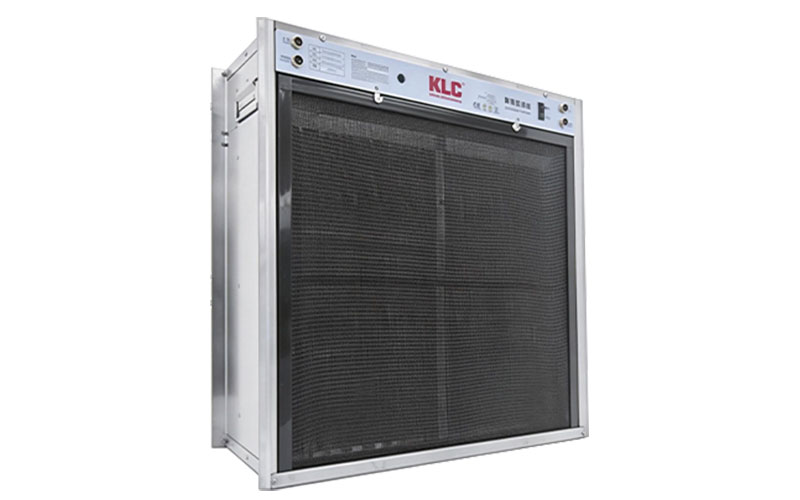
KLC Mención: Los precipitadores electrostáticos industriales de KLC están diseñados con placas de aleación de aluminio de alta resistencia y módulos de potencia inteligentes de alto voltaje. Hemos ayudado a instalaciones de todo el mundo a pasar de una mentalidad de usar y tirar a una de infraestructura duradera, reduciendo significativamente tanto sus costos operativos como su impacto ambiental.



 Soporta red IPv6