¿QUÉ ESTÁS BUSCANDO?
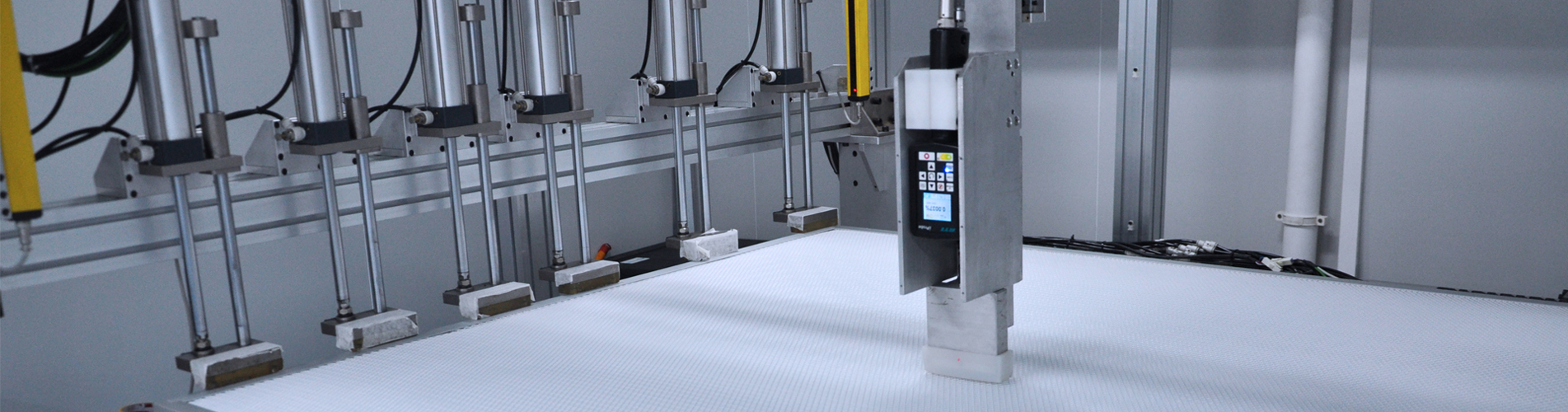
Palabras clave objetivo: proveedor de limpiador de manos para salas blancas, cómo mantener la ducha de aire
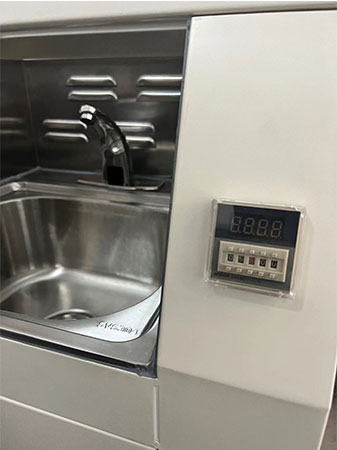
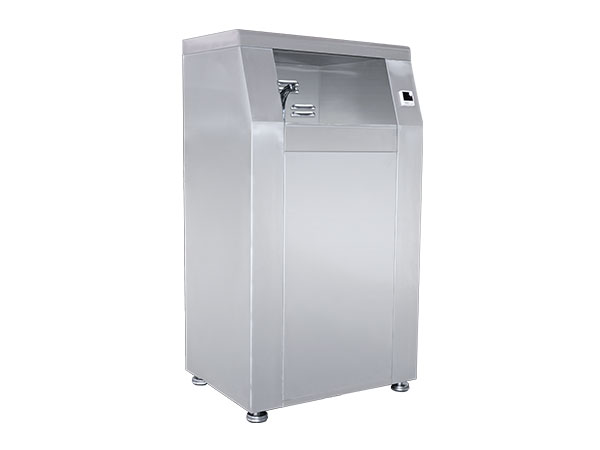
Una estación de lavado de manos en salas blancas reduce la contaminación en el punto de entrada del personal a un espacio controlado. La dispensación sin contacto, los pasos definidos de lavado o desinfección, el secado y la colocación controlada de guantes complementan —no sustituyen— el uso de batas, duchas de aire, capacitación y monitoreo ambiental.
Los proyectos de purificación del aire tienen éxito cuando el rendimiento del equipo, las instalaciones circundantes y el comportamiento diario se tratan como un solo sistema. Para los compradores que buscandesinfectante de manos para salas blancas Para el proveedor, la pregunta clave no es solo qué producto comprar, sino qué resultado debe mantenerse después de la instalación. La eficiencia de las partículas, el flujo de aire, la caída de presión, las fugas, la compatibilidad de los materiales, el acceso, la energía, las pruebas y la práctica del operador influyen en el resultado.
KLC International aborda los proyectos de estaciones de lavado de manos para salas blancas definiendo primero la aplicación, los contaminantes, el estado operativo, la presión disponible y la evidencia de aceptación. Este método basado en requisitos ayuda a evitar el sobredimensionamiento, el bajo rendimiento de los equipos y las deficiencias en la documentación.
Las personas constituyen un importante vector de contaminación a través de las células muertas de la piel, la ropa, el contacto y el movimiento. Los diseñadores también deben confirmar cómo se inspeccionará, limpiará y restaurará el producto después de su uso. Un mantenimiento sencillo es fundamental para un control eficaz de la contaminación, no una comodidad opcional.
Los dispositivos con sensores reducen el contacto con superficies compartidas. Para la adquisición, este aspecto debería ser un valor declarado o una prueba de aceptación. Registrar las condiciones de funcionamiento junto con el resultado también facilita la resolución de problemas posteriores.
Los registros, los controles de reabastecimiento, la limpieza y la observación del comportamiento garantizan la eficacia de la estación. Este requisito debe figurar en la especificación aprobada, con una parte responsable y un criterio de aprobación/rechazo. Esto permite que las decisiones de puesta en marcha sean objetivas cuando intervienen varios proveedores.
La decisión debe basarse en el riesgo del proceso, el rendimiento requerido, el espacio disponible, el flujo de aire, el presupuesto de presión, el entorno operativo y la capacidad de mantenimiento. Para la adquisición, este punto debe convertirse en un valor establecido o una prueba de aceptación. Registrar las condiciones de operación junto con el resultado también facilita la resolución de problemas posteriores.
Las especificaciones deben traducir el tema principal en criterios de aceptación medibles, en lugar de basarse únicamente en el nombre del producto. Para la adquisición, este punto debe convertirse en un valor declarado o una prueba de aceptación. Registrar las condiciones de funcionamiento junto con el resultado también facilita la resolución de problemas posteriores.
Antes de la compra, es necesario definir las interfaces de instalación, los controles, el acceso, la limpieza, las piezas de repuesto y la documentación. En la práctica, esto implica que el equipo, el flujo de aire de la sala y el movimiento del operario deben revisarse conjuntamente. Un componente robusto no puede compensar las fugas por derivación ni un procedimiento incontrolado.
Comience con mediciones de referencia, defina responsabilidades y acuerde el método de prueba antes de que llegue el equipo. En la práctica, esto implica que el equipo, el flujo de aire de la sala y el movimiento del operador deben revisarse conjuntamente. Un componente robusto no puede compensar las fugas por derivación ni un procedimiento incontrolado.
Ponga en marcha el sistema en condiciones realistas y capacite a los operadores para que reconozcan las alarmas, los daños y las desviaciones en el rendimiento. Para la adquisición, este punto debe convertirse en un valor establecido o una prueba de aceptación. Registrar las condiciones de funcionamiento junto con el resultado también facilita la resolución de problemas posteriores.
Analice la presión, el flujo de aire, el estado, el consumo de energía y los eventos de servicio para que las decisiones de reemplazo u optimización se basen en datos. Una prueba en sitio o una calificación representativa pueden revelar interacciones que no se aprecian en los planos, como zonas de estela, humedad, liberación de polvo, tráfico de puertas y respuesta de sensores.
Opción o etapa | Mejor uso | Ventaja principal | Precaución principal |
Fregadero manual | Específico de la aplicación | Admite la función objetivo | Verificar en condiciones reales |
Lavado sin contacto | Específico de la aplicación | Admite la función objetivo | Verificar en condiciones reales |
Desinfectante de alcohol | Específico de la aplicación | Admite la función objetivo | Verificar en condiciones reales |
ducha de aire | Específico de la aplicación | Admite la función objetivo | Verificar en condiciones reales |
La tabla sirve como guía para la planificación, no como sustituto de una evaluación específica del sitio. Las clasificaciones deben compararse con el mismo caudal de aire y según las mismas condiciones de prueba, y el rendimiento final debe verificarse tras la instalación. KLC puede adaptar los planos, materiales, filtros, motores, controles y documentación al punto de operación acordado.
Una solicitud de presupuesto útil debe incluir:
Defina el riesgo de contaminación o del proceso.
Cuantificar el flujo de aire, la eficiencia, la presión, el material y los límites ambientales.
Compare los productos utilizando la misma base de prueba y el mismo punto de funcionamiento.
Planificar la instalación, los controles, la limpieza, los repuestos y el mantenimiento seguro.
Documentar las pruebas de aceptación, la capacitación, los registros y el control de cambios.
Preguntar KLC Es fundamental identificar las suposiciones y exclusiones en la propuesta a nivel internacional. Una cotización clara debe distinguir entre las pruebas de fábrica y las pruebas en obra, los componentes suministrados y los trabajos de terceros, y las clasificaciones nominales y los valores garantizados.
Inspeccione el equipo a su llegada para verificar daños en el embalaje, identificación correcta, dimensiones, sellos, filtros, instrumentos y documentación. Durante la instalación, controle el polvo de construcción y proteja los medios sensibles. La puesta en marcha debe verificar la dirección y el volumen del flujo de aire, la presión diferencial, las alarmas, los enclavamientos, la seguridad eléctrica, el ruido (cuando corresponda) y el rendimiento de limpieza o captura especificado.
Tras la entrega, utilice un mantenimiento predictivo respaldado por inspecciones programadas. Monitoree la presión diferencial y el flujo de aire, investigue cambios anormales, proteja los filtros de repuesto y documente los reemplazos. Cualquier cambio en el medio filtrante, la velocidad del motor, la distribución de la sala, el funcionamiento de las puertas, el equipo de proceso o los productos químicos de limpieza debe dar lugar a una revisión de riesgos. Los equipos de servicio de KLC pueden ayudar a definir los repuestos y un plan de verificación adaptado a la aplicación.
Una propuesta fiable distingue entre afirmaciones y pruebas. Comience verificando que los planos coincidan con las dimensiones solicitadas, la dirección del flujo de aire, el acceso para el servicio, las instalaciones y las interfaces de instalación. A continuación, revise los informes de rendimiento del modelo probado, el método de prueba, el punto de operación, el estado del instrumento, el límite de aceptación y el resultado trazable. Un certificado de calidad corporativo puede generar confianza en los procesos del proveedor, pero no reemplaza los datos del producto ni la cualificación del sistema instalado.
Confirme también cómo se gestionarán las desviaciones y los cambios de diseño. El rendimiento puede verse afectado por diversos factores, como el material filtrante, los adhesivos, los motores, los sensores, los materiales del marco, los sellos y las plantas de producción. Para proyectos críticos, se requiere notificación anticipada de cambios, trazabilidad por número de serie o lote, registros de inspección acordados y un proceso definido para la gestión de no conformidades. La protección durante el envío debe formar parte del alcance técnico, ya que los pliegues aplastados, el gel dañado, los marcos deformados o la exposición a la humedad pueden invalidar un filtro que, de otro modo, cumpliría con las especificaciones.
La comparación comercial debe considerar el valor total entregado: equipo, flete, aranceles, instalación, energía, consumibles, validación, tiempo de inactividad, respuesta de garantía y vida útil prevista. Esto permite tomar una decisión más fundamentada que comparar únicamente el precio de compra y proporciona a los equipos de operaciones un presupuesto de mantenimiento realista.
Los errores más comunes son seleccionar basándose únicamente en la eficiencia nominal, ignorar la presión del sistema, considerar un certificado de fábrica como prueba del rendimiento en planta y posponer el acceso para mantenimiento hasta el final del diseño. Otro error es suponer que un mayor flujo de aire o una clase de filtro superior siempre garantizan la seguridad. Un flujo de aire excesivo puede generar turbulencias, aumentar el consumo de energía y alterar los procesos; una resistencia excesiva puede reducir el caudal suministrado. Un diseño equilibrado es más limpio y fiable.
KLC International recomienda documentar las bases del diseño y los criterios de aceptación antes de realizar el pedido. Este sencillo paso facilita la comparación entre proveedores y proporciona a los equipos de puesta en marcha un objetivo claro.
No cuando las manos estén visiblemente sucias o el procedimiento requiera lavado; siga el programa de higiene validado del lugar.
Sí, siguiendo la secuencia de colocación del traje y después de que se haya secado por completo.
No. Elimina algunas partículas sueltas de las prendas y no puede sustituir la higiene de manos.
Reduce el contacto con asas compartidas y permite una dosificación repetible.
Estado de recarga, tiempo de contacto, secado, limpieza, funcionamiento del dispositivo y cumplimiento por parte del operador.
Solo si el diseño del flujo de aire y la filtración es adecuado para el entorno controlado.
En un punto lógico de la secuencia de entrada, sin provocar tráfico cruzado ni riesgo de suelo mojado.
Utilice un cronograma documentado basado en el tráfico, las instrucciones del producto, la inspección y el riesgo para la higiene.
¿Planea un proyecto que involucre un proveedor de desinfectantes para manos para salas blancas? Comparta con KLC International la aplicación, las dimensiones, el flujo de aire, el rendimiento deseado, el entorno operativo, el mercado de destino y la documentación de prueba requerida. El equipo de KLC revisará las especificaciones, propondrá una configuración práctica y preparará un presupuesto que cubra el equipo, los filtros, los controles y las necesidades de verificación.
Solicite una revisión técnica o un presupuesto a KLC International para una estación de limpieza de manos para salas blancas.
Nota técnica: La selección final y el cumplimiento deben confirmarse con respecto a las normas, reglamentos, evaluación de riesgos del proceso y condiciones del sitio vigentes que sean aplicables al proyecto.



 Soporta red IPv6